

 | ||
|
| ||


Cords & Ropes
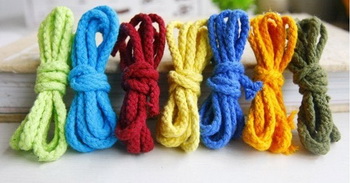
Product Name : Cotton Cord
| Description |
| Cotton Cord is made from cotton fiber and is commonly selected for products where natural texture, soft hand feel and visual quality are important. Its textile-like surface makes it suitable for apparel, bags, packaging, home textile and decorative applications where the cord becomes part of the finished product design. Different braiding densities, twisted constructions, core designs and cord forms can create different levels of softness, fullness, flexibility and surface texture. Braided, twisted, round, flat, solid or hollow constructions may be evaluated according to the desired appearance, hand feel and assembly method. Typical applications include apparel drawcords, hoodie cords, shoelaces, bag handles, gift packaging, home textile accessories and decorative products. Selected constructions may also be evaluated for sewn assemblies or other industrial textile applications. Fu Jyi Lin can evaluate custom cotton yarn specifications, cord constructions, diameters or widths, colors, dyeing, hand feel, cut lengths, end finishing and packaging. For quotation or sample development, buyers are encouraged to provide the intended application, target size, construction, color, finishing requirements, quantity and a reference sample or image when available. |
 Features
 |
||
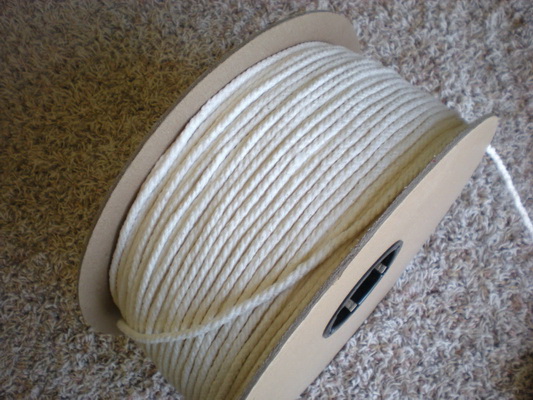
Cotton Cord |
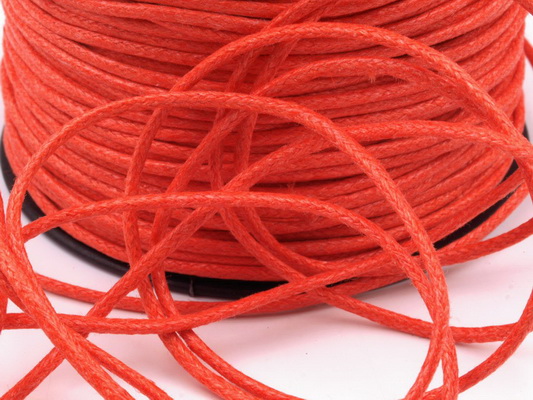
Cotton Cord |
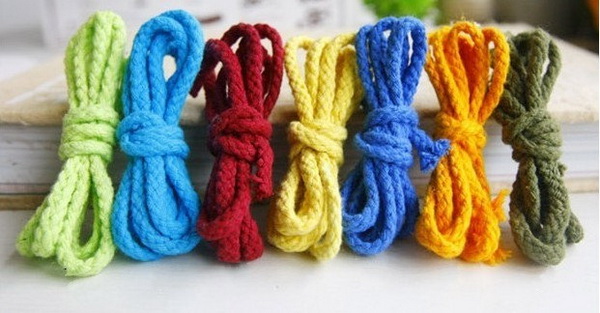
Cotton Cord |
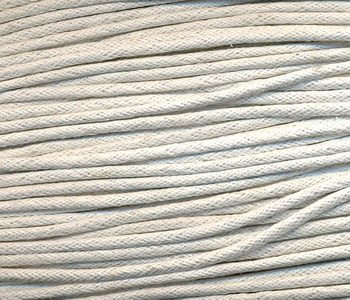
Cotton Rope Cord |
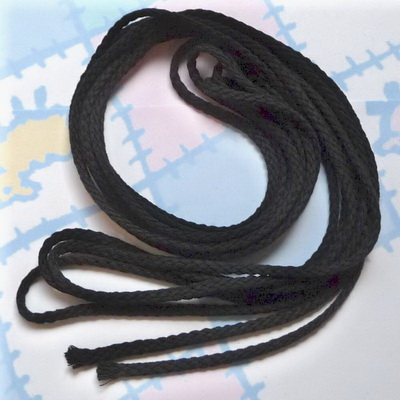
Cotton Rope Cord |
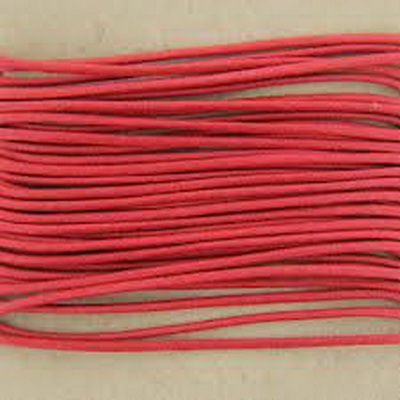
Cotton Rope Cord |
|
Specification |
|
**Product Name:Cotton Cord **Material / Yarn Options** 。Standard: 100% cotton and cotton/polyester blended constructions are available. Different yarn sizes, yarn counts and twist levels may be selected according to the cord construction. 。Custom: Combed cotton, different cotton yarn specifications, cotton/polyester blend ratios and other yarn configurations can be evaluated where specific hand feel, fullness, durability or processing performance is required. **Cord Construction** Available constructions may include braided cotton cord, twisted cotton cord, round cotton cord, flat cotton cord, solid braided, hollow braided, cord with core and coreless constructions. Construction affects softness, fullness, surface texture, bending behavior and finished appearance. **Diameter / Width** 。Round Cord: Common diameters include 2, 3, 4, 5, 6 and 7 mm. 。Flat Cord: Common widths include 8, 10, 12 and 15 mm. Width and thickness may vary according to braiding density and solid, hollow or core construction. Other diameters, widths and wider sizes, including 20 mm and above, can be evaluated according to application and production feasibility. **Colors / Dyeing** 。Standard: Natural cotton, white, black and standard color-card options may be available depending on yarn and construction. 。Custom: Colors can be developed based on a Pantone reference or physical color sample. Reasonable shade variation may occur due to cotton absorption, blend ratio, yarn lot and cord construction; sample approval is recommended before mass production. **Surface & Special Finishing** Available options may include printing, waxing, coating, softening, water-repellent, stain-resistant, anti-mildew, flame-retardant, antibacterial and other functional finishes. Finishing may affect hand feel, softness, surface friction or appearance, so final feasibility should be confirmed according to material, cord construction and end use. **Cutting, End Finishing & Sewing** 。100% Cotton: Cold cutting or mechanical cutting is generally recommended. Pure cotton does not thermally melt and seal like polyester, so hot cutting is not normally used as a standard sealing method. 。Cotton / Polyester Blends: Hot cutting may be evaluated depending on polyester content, yarn configuration and cord construction. The polyester component can provide partial thermal sealing, but the final edge condition should be confirmed by sample before production. 。End Finishing: Knotting, heat-shrink tubing, plastic tips, metal tips, wrapping and other custom end treatments may be evaluated. 。Sewing / Assembly: Cotton Cord can also be sewn or assembled with fabrics, webbing and other textile components according to product design. **Packaging / Roll Length** 。Standard Reference: 100 m/roll is a common reference for small to medium Cotton Cord sizes. Actual roll length may vary depending on diameter, flat-cord width, construction, blend ratio and unit weight. Wider or heavier cords may use shorter roll lengths. Custom roll lengths, bundling, bulk packing, labeling and other packaging options can be evaluated upon request. **MOQ** "3,000 yd (approx. 2,743 m) per color, per size." Special yarns, cotton/polyester blend ratios, custom constructions, functional finishing or special packaging may require separate MOQ confirmation. **Applications** Suitable for apparel drawcords, hoodie cords, shoelaces, bag handles, gift packaging, home textile accessories, decorative products and other textile applications. Depending on material, construction and processing method, Cotton Cord may also be evaluated for sewn assemblies, custom textile products and selected industrial textile applications. **Specification Notes** The specifications listed on this page represent common Cotton Cord configurations and market application references intended to support product selection and RFQ preparation. Final yarn specification, cotton/polyester blend ratio, construction, dimensions, colors, dyeing, finishing, cutting method, roll length, packaging and MOQ should be confirmed according to the actual product and project requirements. For applications involving specific hand feel, hot cutting, sewn assembly, functional finishing or industrial use, sample development and product confirmation are recommended before mass production. **Fu Jyi Lin reserves the right to adjust product specifications when necessary.** |
|
Asks Description |
|
Frequently Asked Questions (FAQ) 1. How should I choose between 100% cotton and cotton/polyester blended cord? The choice depends on the desired appearance, hand feel, processing method and end-use requirements. **100% cotton** is generally preferred when a natural fiber appearance, softer hand feel and textile-like surface are important. It is commonly selected for apparel, bags, packaging, home textile and decorative applications. **Cotton/polyester blended cord** can provide a different balance of hand feel, durability and processing flexibility. Depending on the polyester content and cord construction, blended cord may also be more suitable for thermal cutting or other finishing processes. For new developments, buyers should consider both the visual result and the required processing method before selecting the material. 2. What should be considered when developing custom colors for Cotton Cord? Custom colors can be developed based on a Pantone reference or physical color sample. However, the final shade can be influenced by the cotton base color, yarn lot, blend ratio, braiding density and dye lot. The same color reference may appear slightly different on 100% cotton and cotton/polyester blended constructions because the fibers absorb and reflect color differently. For projects where color accuracy is important, sample approval is recommended before mass production. Providing a physical reference sample can also help improve color matching. 3. Can Cotton Cord be hot cut, and which material is suitable for thermal cutting? **100% cotton cord is generally better suited to cold or mechanical cutting** because cotton does not melt and seal under heat like thermoplastic fibers. **Cotton/polyester blended cord may be evaluated for hot cutting**, depending on the polyester content, yarn arrangement and cord construction. The polyester component can provide partial thermal sealing, while cotton fibers may still remain visible at the cut edge. For projects requiring a clean or sealed cut edge, sample testing is recommended to confirm the final appearance and edge stability before production. 4. Can Cotton Cord be sewn into fabric, webbing or finished textile products? Yes. Cotton Cord can be evaluated for sewing and assembly with fabrics, webbing and other textile components according to the finished-product design. Sewing feasibility depends on cord diameter or width, round or flat construction, cord firmness, base material, stitch pattern, reinforcement method and attachment point. Flat cord may be easier to position and sew in certain assemblies, while round cord may require channels, wrapping or reinforced fixation. For bags, apparel, home textiles or custom sewn components, the complete assembly should be reviewed rather than evaluating the cord alone. 5. When is sample development recommended before mass production? Sample development is recommended when the project includes custom colors, specific hand feel, cotton/polyester blends, non-standard diameters or widths, hot cutting, custom end finishing, sewing or functional finishing. For faster evaluation, buyers should provide the intended application, material preference, target size, color, hand-feel requirement, cutting or end-finishing method, sewing requirements and estimated quantity. A reference sample, drawing or image is also helpful when available. Sample approval helps confirm appearance, dimensions, processing performance and assembly compatibility before mass production. |
 |
Fu Jyi Lin Enterprise Co., Ltd. Copyright © 2014 |
| Address: 10071 No.17-1, SHAU ANN St., Zhongzheng Dist., Taipei City 100, Taiwan (R.O.C.)
TEL:886-2-2301-5900 , 886-2-2307-0952 FAX:886-2-2307-5424 , 886-2-2332-6930 E-Mail:info@fujyilin.com.tw |