

 | ||
|
| ||


Webbing & Tape
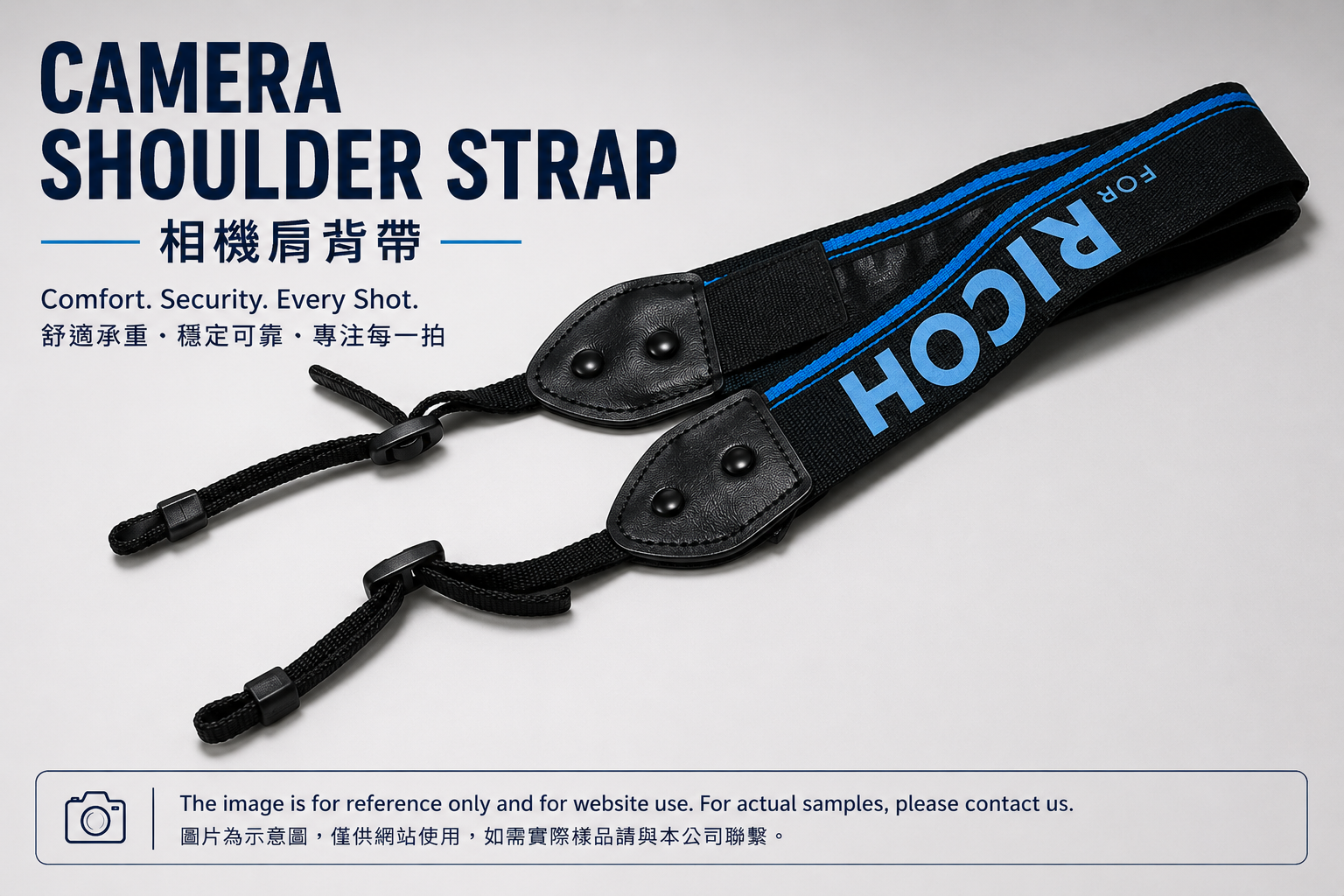
Product Name : Camera Shoulder Strap
| Description |
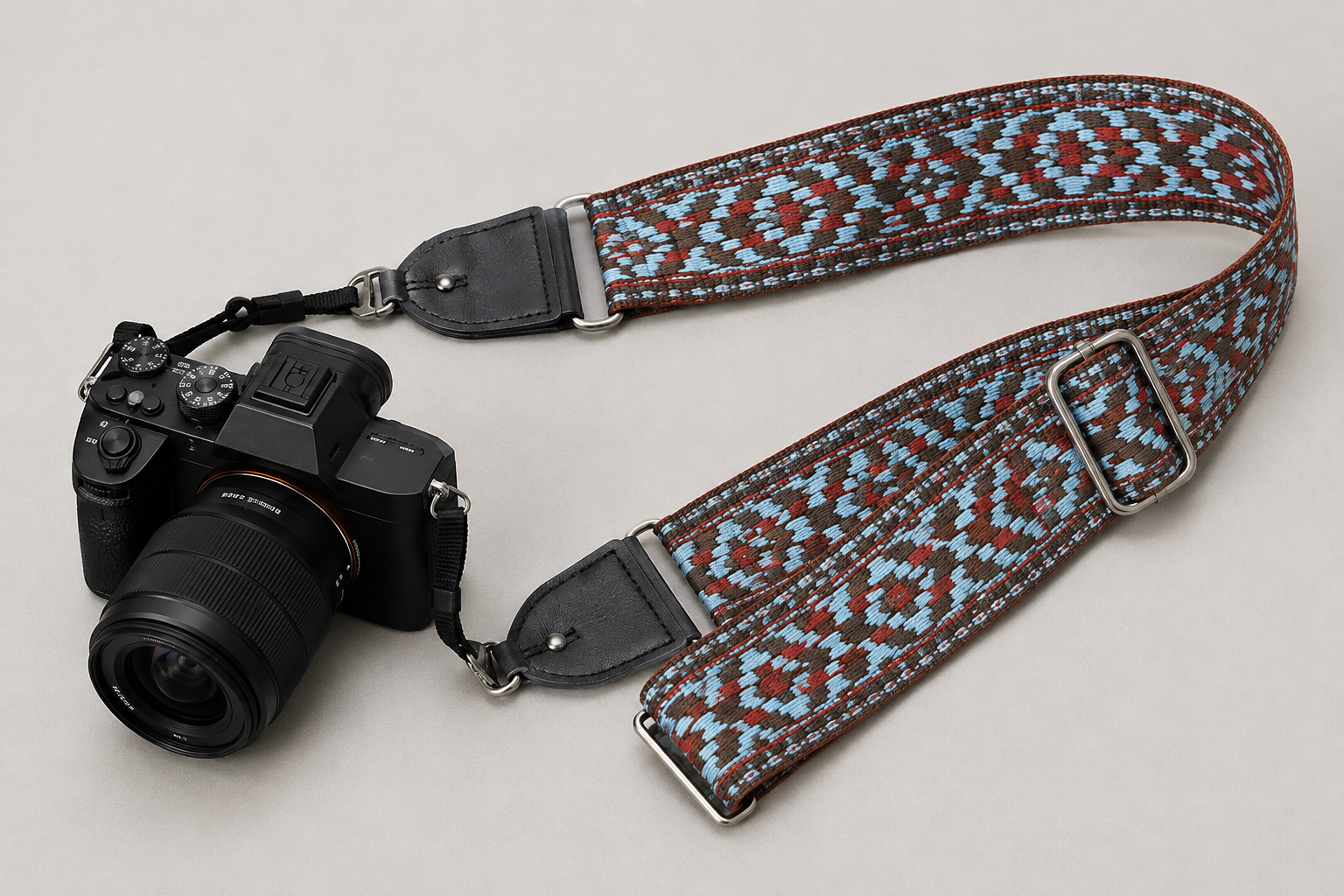
| Camera Shoulder Strap is a finished load-bearing textile accessory developed from narrow webbing, adjustment hardware, camera-side connectors, and reinforced sewing and attachment structures. It can be designed for shoulder, neck, or other carrying configurations depending on the end-use requirement. Unlike general-purpose webbing, the finished strap must be considered as a complete assembly because its performance depends not only on the webbing itself, but also on the sewing construction, end reinforcement, adjustment hardware, quick-release components, and camera connection system. Fu Jyi Lin can support length cutting, folding, end finishing, reinforced sewing, reinforcement at critical attachment points, buckle installation, and camera-side connector assembly according to the required product configuration. Optional features may include shoulder pads, Neoprene or EVA cushioning, anti-slip surfaces, and branding processes such as logo printing, heat transfer, or Jacquard weaving. The key manufacturing consideration is the compatibility between the webbing, sewn joints, hardware, and attachment points throughout the complete load path. OEM and ODM development can be based on physical samples, drawings, camera or equipment type, webbing width, finished length, shoulder-pad design, hardware, quick-release structure, attachment method, target load or tensile requirements, branding, and packaging. For new sewing constructions, special connectors, quick-release systems, or defined load requirements, complete finished-product samples and relevant load or tensile verification are recommended before mass production. |
 Features
 |
||
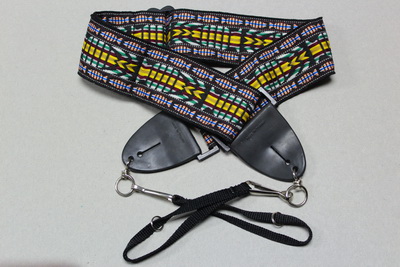
1 - Camera Strap |
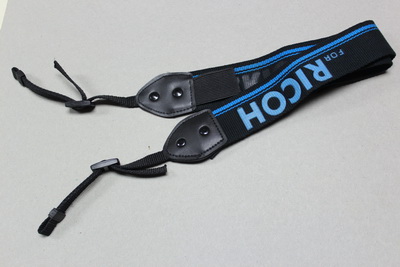
2 - Camera Strap |
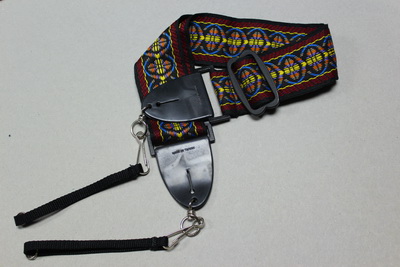
3 - Camera Strap |
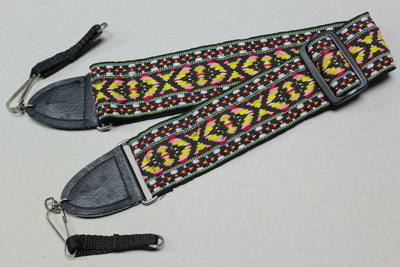
4 - Camera Strap |
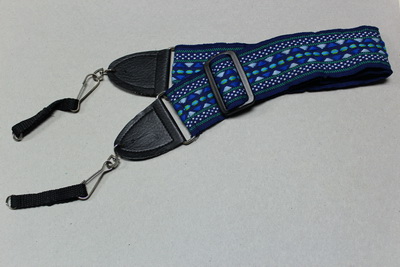
5 - Camera Strap |
|
Specification |
|
**Product Name** *Camera Shoulder Strap*, developed as a finished cut-and-sew textile accessory combining webbing, reinforced sewing, adjustment hardware, camera-side connectors, and optional shoulder-support components. **Main Webbing Material** Main strap materials may include *Nylon and Polyester webbing*. Material selection should consider the required tensile characteristics, flexibility, surface feel, abrasion requirements, sewing construction, hardware compatibility, and intended equipment application. **Webbing Construction** Webbing construction, weave density, thickness, surface texture, and hand feel can be developed according to the product design. These parameters may affect flexibility, adjustment performance, sewn-joint construction, hardware compatibility, and the overall appearance of the finished strap. **Webbing Width / Finished Dimensions** Webbing width and finished strap dimensions can be customized according to the camera or equipment type, carrying configuration, adjuster size, connector system, and shoulder structure. Adjustable or fixed-length constructions can be developed according to project requirements. **Shoulder Pad / Composite Materials** Optional shoulder structures may incorporate *Neoprene, EVA, foam, PU, leather, or other suitable cushioning and reinforcement materials*. Pad width, thickness, surface material, and attachment method should be coordinated with the webbing width, sewing construction, target equipment load, and intended carrying style. **Sewing Construction** Processing can include *length cutting, folding, sewn joining, multiple-row stitching, reinforced stitching, and attachment-point sewing*. The sewing construction should be selected according to the webbing material, strap thickness, hardware configuration, connector design, and required finished-product structure. **End Reinforcement** Camera-side and hardware connection areas can be developed with *folded-back ends, localized reinforcement, reinforcement patches, multiple stitching lines, or other structural reinforcement methods*. Reinforcement design should correspond to the load path and the geometry of the connector or hardware being secured. **Thread / Stitching Requirements** Sewing thread type, thread size, stitch construction, stitch density, seam position, and reinforcement layout can be selected according to the webbing structure and target product requirements. Where defined structural or load requirements apply, stitching specifications should be confirmed through sample development and relevant verification. **Hardware / Component Materials & Finish** Components may include *metal or reinforced-plastic adjusters, buckles, rings, quick-release parts, and camera-side connectors*. Hardware size, material, surface finish, profile, weight, and placement should be coordinated with webbing width, sewing construction, functional requirements, and the desired finished appearance. **Camera Attachment Structure** Connection options can be developed using **cord loops, split rings, camera-lug connectors, anchor-type connectors, quick-release connectors, detachable components, PU or leather end pieces**, or other suitable structures. Final selection should consider the camera attachment point, equipment weight, connector geometry, and carrying method. **Finished Assembly & Load-Bearing Verification** The finished strap integrates *webbing, shoulder materials, sewing structures, hardware, adjusters, quick-release components, and camera-side connectors* into one assembly. Structural performance should therefore be evaluated as a complete product, considering webbing strength, sewn-joint strength, end reinforcement, hardware strength, connector strength, and interaction between components. Where specified load or tensile requirements apply, verification should follow agreed test methods and acceptance criteria. **Branding / Appearance Options** Branding options may include *Screen Printing, Heat Transfer, Dye Sublimation, Jacquard / Woven Branding*, and other applicable processes. Custom webbing colors, shoulder-pad materials, hardware finishes, connector styles, and logo treatments can be coordinated to achieve a consistent finished-product appearance. **Packaging / MOQ** Packaging can be arranged as individual bags, bulk packing, backing cards, labels, barcode identification, cartons, or other project-specific formats. MOQ depends on *webbing material, dimensions, custom color, shoulder structure, hardware, sewing complexity, branding process, packaging, and order quantity*. Final conditions should be confirmed during quotation. **OEM / ODM Development** Fu Jyi Lin can support development based on *physical samples, drawings, camera or equipment type, webbing specifications, finished dimensions, shoulder-pad design, hardware references, connector structure, quick-release requirements, target load or tensile requirements, branding, and packaging*. Complete assembled samples can be prepared for evaluation before mass production. **Specification Notes** A Camera Shoulder Strap should be evaluated as a complete load-bearing assembly rather than by webbing strength alone. Webbing construction, sewing thread, stitch layout, end reinforcement, hardware, quick-release components, and camera-side connectors all contribute to the structural performance of the finished product. Changes to the webbing width or material, sewing construction, reinforcement method, hardware, connector, shoulder structure, or quick-release component may affect load-bearing performance, adjustment behavior, durability, and compatibility. Where defined tensile, load, abrasion, cycling, or other functional requirements apply, the relevant test conditions and acceptance criteria should be confirmed before mass production. Hardware finish, webbing color, branding treatment, shoulder-pad material, and connector design can be coordinated to balance structural requirements with finished-product appearance. New structures or component combinations should be reviewed through a complete assembled sample, and mass production should be based on the approved finished sample, confirmed construction, sewing specification, component configuration, applicable test requirements, branding details, and packaging specification. |
|
Asks Description |
|
Frequently Asked Questions (FAQ) 1. How should shoulder padding and anti-slip features be selected for different camera setups? Shoulder padding should be selected according to the **camera and lens weight, carrying duration, strap width, and intended wearing style**. Wider shoulder sections with Neoprene, EVA, foam, or similar cushioning materials can help distribute pressure over a larger contact area. Anti-slip or high-friction surfaces can improve shoulder stability, while smoother surfaces may allow easier strap movement during shooting. The final balance between cushioning, friction, flexibility, and strap thickness should be confirmed through complete-product sampling. 2. How does quick length adjustment affect camera carrying and shooting? Quick adjustment allows the photographer to shorten the strap while walking or carrying equipment close to the body, then extend it when raising the camera for shooting. Adjustment performance depends on the **webbing thickness, surface friction, adjuster geometry, hardware size, and carrying configuration**. A properly matched system should allow practical length control without excessive slipping or difficult movement. For custom projects, the adjustment range and operating resistance should be evaluated with the intended camera setup and finished strap. 3. How should camera connectors and quick-release systems be selected for secure and convenient use? Connector selection should consider the **camera attachment point, equipment weight, connector geometry, release operation, hardware profile, and complete load path**. Options may include cord loops, split rings, anchor-style connectors, camera-lug connectors, detachable components, or quick-release systems. The connection should provide convenient removal while remaining appropriate for the intended equipment and carrying method. For new or custom quick-release structures, complete assembled samples should be evaluated for connection security, operation, compatibility, and load performance before production. 4. How should load capacity and long-term durability be verified? Load capacity and durability should be evaluated at the **finished-product level rather than inferred from webbing material alone**. Verification may include webbing tensile performance, sewn-joint strength, end reinforcement, hardware and connector strength, abrasion behavior, repeated adjustment, quick-release cycling, and complete assembly load testing. Where the buyer specifies load, tensile, abrasion, cycling, or durability requirements, the relevant test method, test conditions, and acceptance criteria should be confirmed before sample approval and mass production. 5. What information should be provided for custom development, sampling, and quotation? For custom development, please provide the **camera or equipment type, physical sample or drawing, carrying method, webbing width, finished length, shoulder-pad structure, adjustment requirement, connector type, quick-release configuration, target load or tensile requirement, branding, hardware finish, packaging, and estimated quantity**. Development can follow the sequence of **requirement review → structure and component selection → finished sample → functional verification → approval → production**. MOQ and lead time depend on material, sewing complexity, hardware, connector system, branding, sampling requirements, packaging, and order quantity. |
|
Other |
|
|
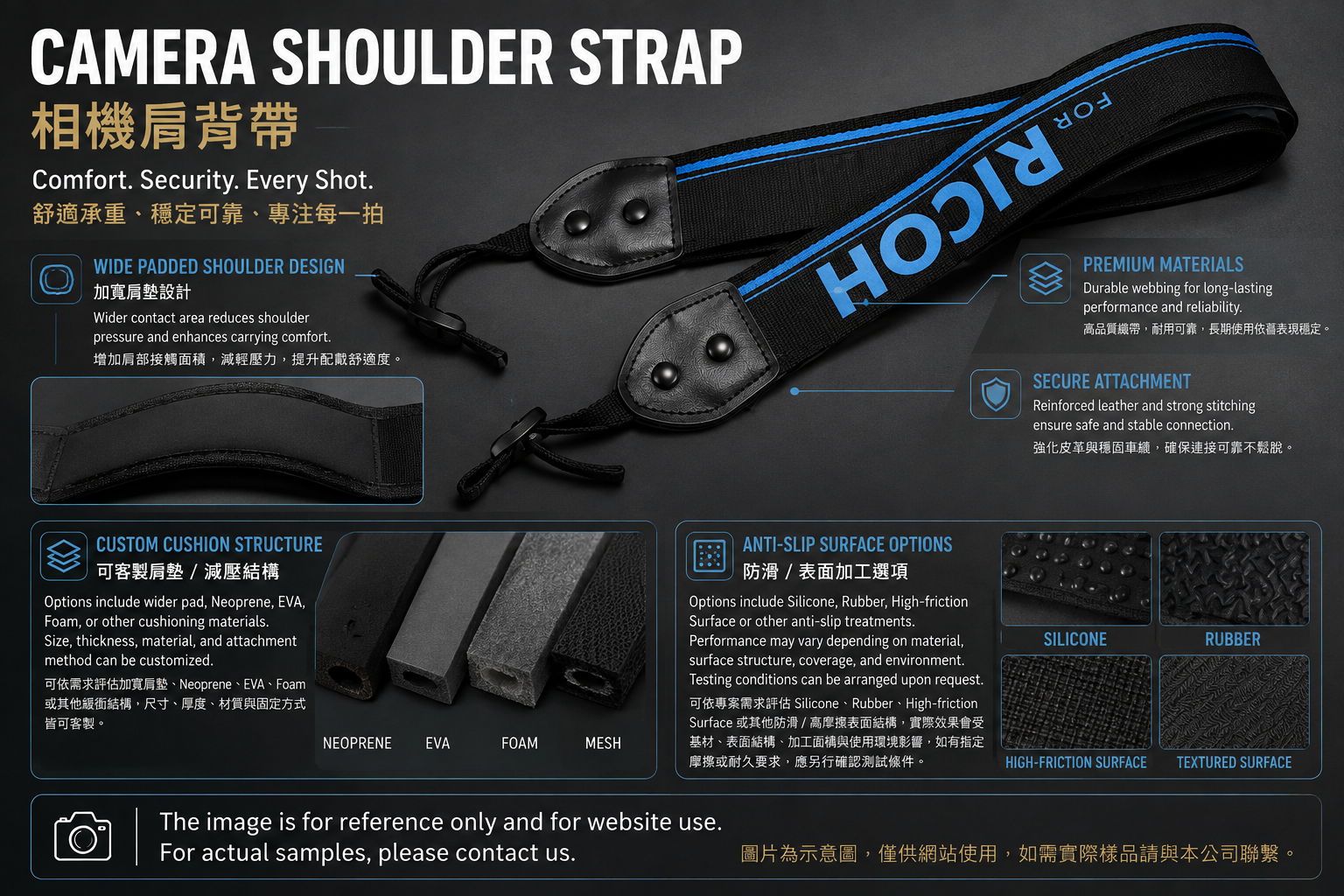
 |
Fu Jyi Lin Enterprise Co., Ltd. Copyright © 2014 |
| Address: 10071 No.17-1, SHAU ANN St., Zhongzheng Dist., Taipei City 100, Taiwan (R.O.C.)
TEL:886-2-2301-5900 , 886-2-2307-0952 FAX:886-2-2307-5424 , 886-2-2332-6930 E-Mail:info@fujyilin.com.tw |