

 | ||
|
| ||


Webbing & Tape
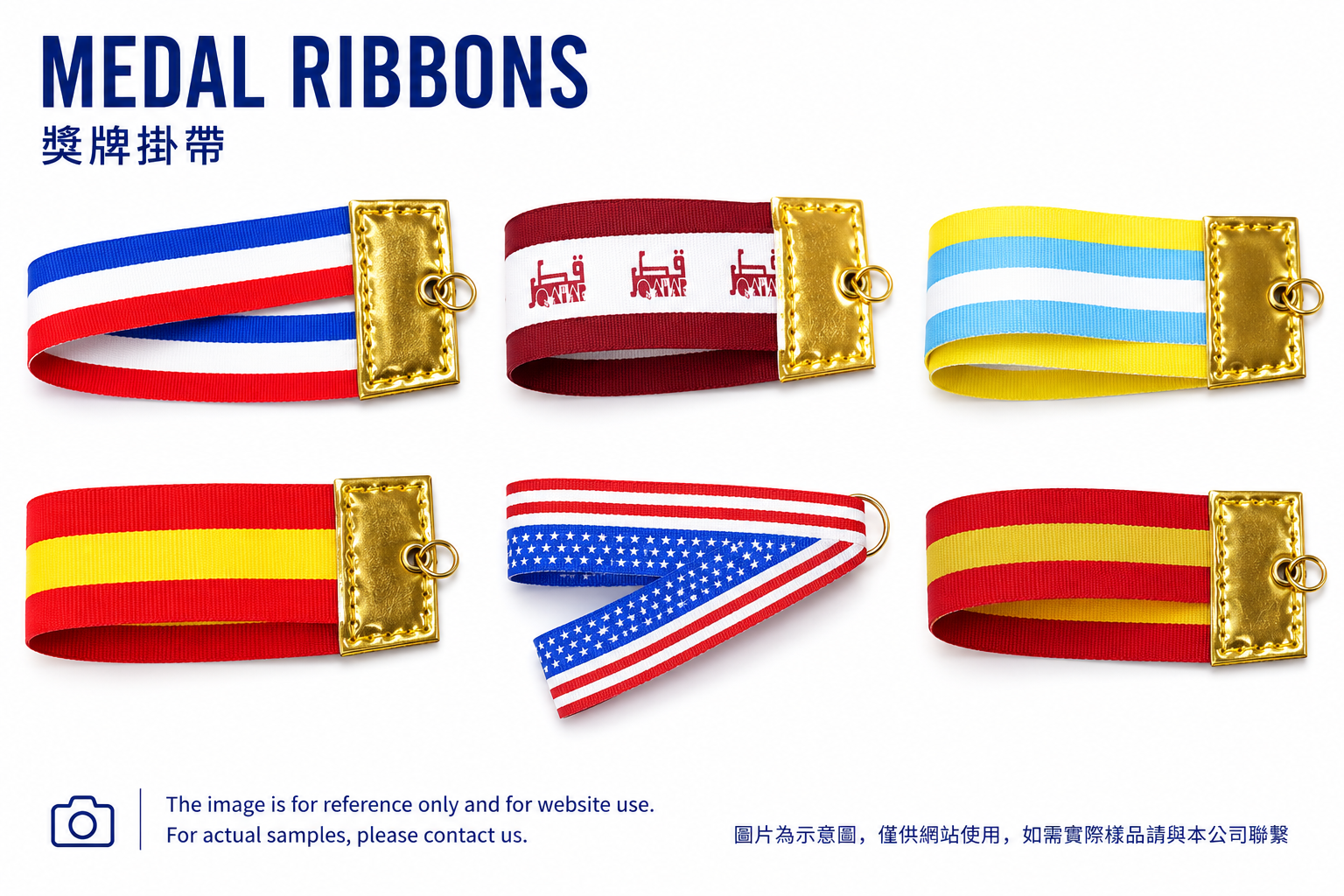
Product Name : Medal Ribbons
| Description |
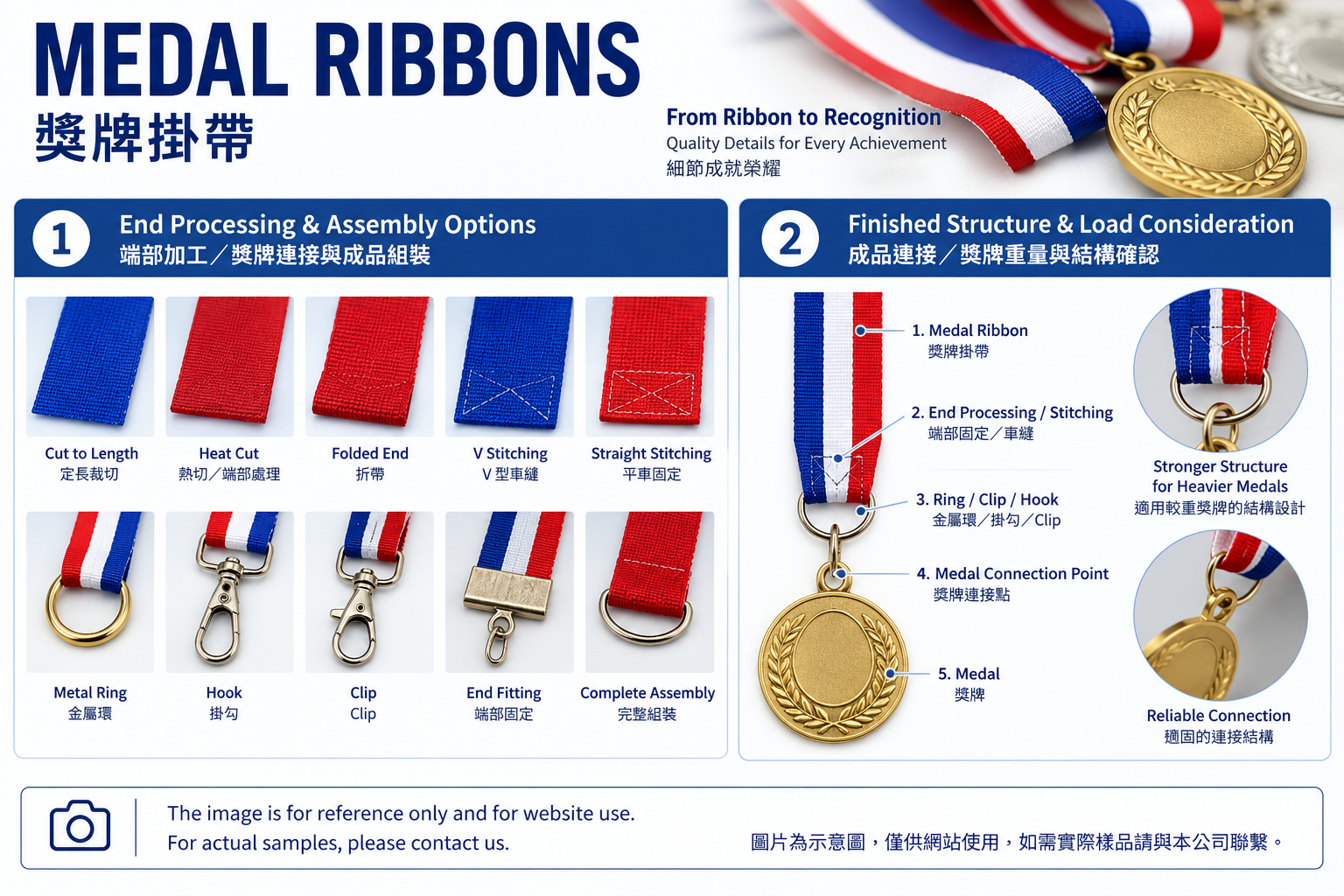
| A finished Medal Ribbon is developed through more than simply attaching a ribbon to a medal. The narrow textile base must be selected and processed according to the medal size, weight, attachment method, and intended wearing configuration. Dyeing, length setting, cutting, folding, and end finishing all affect the drape, proportion, surface appearance, and final assembly of the product. Ribbon thickness, surface structure, and flexibility also influence later branding and attachment processes. Branding is a key part of Medal Ribbon development. Event names, logos, sponsor marks, dates, multicolor artwork, gradients, repeated patterns, and woven designs may require different processing methods depending on the ribbon surface, width, material, and artwork complexity. The objective is not simply to place a graphic on the ribbon, but to match the artwork, textile surface, and branding process so that the final visual presentation fits the event or brand requirement. After branding, the ribbon must still be converted into a complete medal-hanging assembly through controlled cutting, folding, stitching, end fixing, and hardware attachment. Larger or heavier medals may require different ribbon proportions or connection structures. Fu Jyi Lin can support OEM and ODM Medal Ribbon development by integrating narrow textile processing, branding, end finishing, sewing, hardware attachment, and final assembly according to the approved medal sample, artwork, and finished-product requirements. |
 Features
 |
||
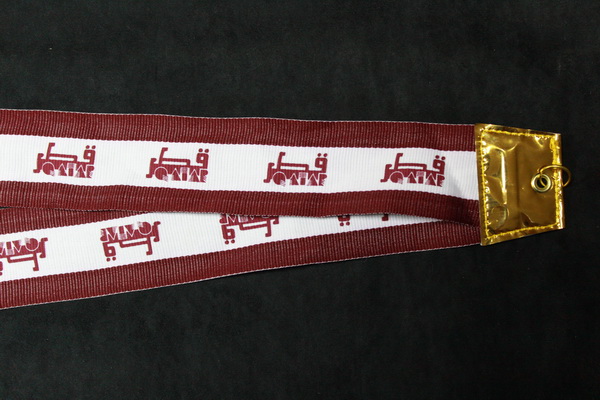
1 - Medallion strap |
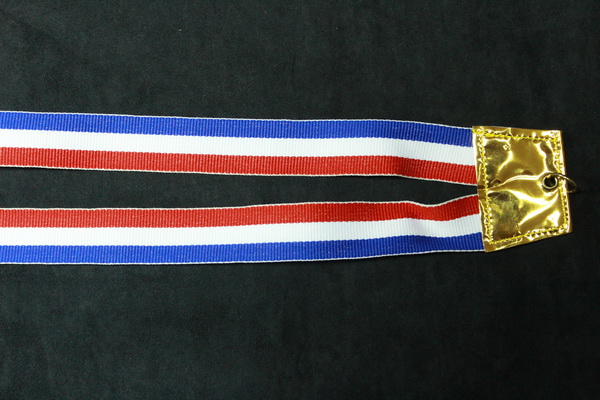
2 - Medallion strap |
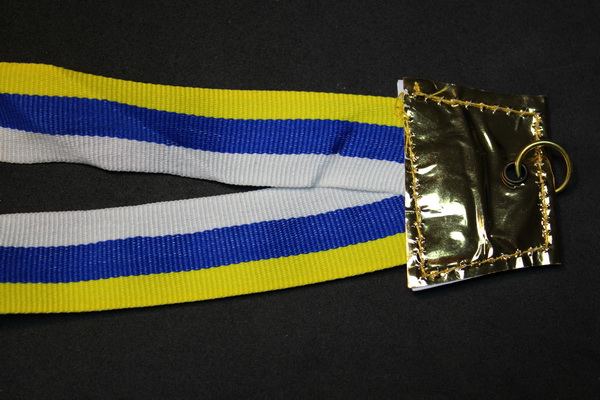
3 - Medallion strap |
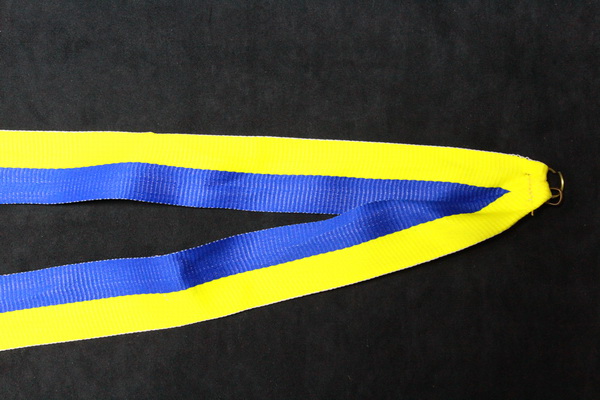
4 - Medallion strap |
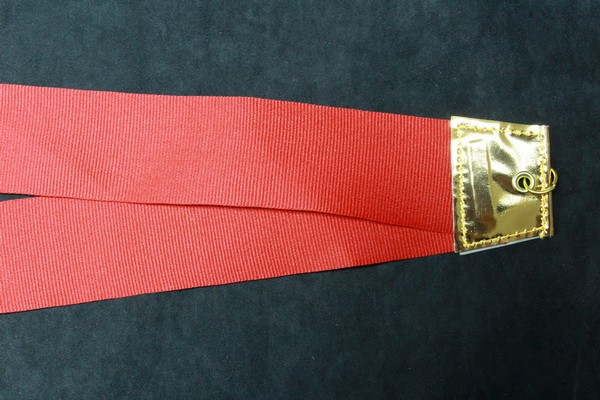
5 - Medallion strap |
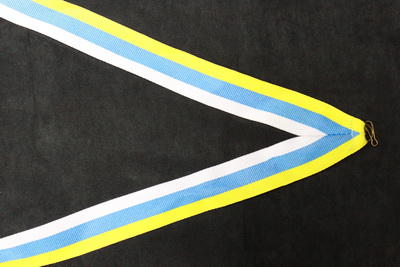
6 - Medallion strap |
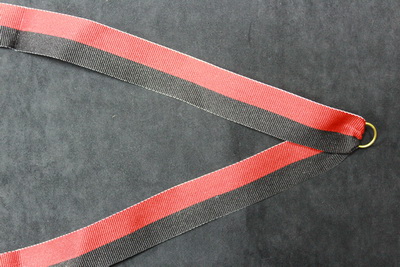
7 - Medallion strap |
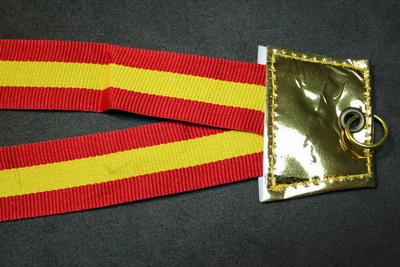
8 - Medallion strap |
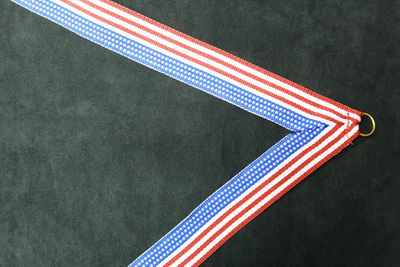
9 - Medallion strap |
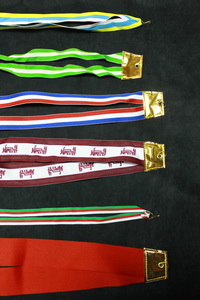
10 - Medallion strap |
|
Specification |
|
**1. Product Name** **Medal Ribbons**, developed from narrow textile materials through dyeing, branding, controlled cutting, end finishing, sewing or fixing, hardware attachment, and final assembly. OEM / ODM configurations can be developed according to medal size, weight, event branding, and packaging requirements. **2. Product Type / Finished Construction** Configurations may include standard neck ribbons, V-sewn constructions, flat-sewn ends, loop attachments, and other custom finished structures. Medal hole geometry, attachment rings, and connection methods influence the ribbon end construction, folding method, sewing, and hardware arrangement. **3. Material / Surface / Size Configuration** Materials may include **Polyester, Nylon**, and other suitable narrow textile bases, with plain, satin, grosgrain, jacquard, or woven surface constructions. Common market-reference widths include approximately **20 / 25 / 30 mm**, with 25 mm widely used. Adult medal ribbons are often found in the **800–900 mm class**, but the measurement basis should be clearly defined as cut length, finished loop length, or other agreed dimensions. **4. Colors / Custom Color Matching** Standard colors may be available depending on the selected material. Custom colors can be developed according to **Pantone references, physical color samples, or approved samples**. Reasonable variation may occur between fiber types, dye lots, surface constructions, and branding processes. Project-specific color tolerances should be confirmed during development. **5. Branding / Artwork / Printing & Woven Processing** Branding can be evaluated through **Screen Printing, Heat Transfer, Dye Sublimation, and Jacquard / Woven Branding**. Single-sided, double-sided, repeated logos, event names, dates, multicolor artwork, and gradient designs can be developed according to ribbon width, surface structure, and artwork complexity. The selected process should be matched to the textile base and required visual result. **6. End Finishing / Medal Attachment & Final Assembly** Processing may include **controlled cutting, heat sealing or end finishing, folding, V-sewing, flat sewing, overlap stitching, end fixing, ring / clip / hook installation, and complete medal attachment assembly**. The final method should be matched to ribbon thickness, medal opening, attachment geometry, medal weight, and appearance requirements. **7. Finished Connection / Medal Weight & Structure Verification** Finished-product suitability should be evaluated through the complete connection path: **ribbon → end fixing / sewing → ring, clip or hook → medal attachment point → medal**. Ribbon tensile strength alone should not be used to determine finished-product load performance. Larger or heavier medals may require different ribbon proportions, sewing structures, or attachment configurations. Defined load, retention, or durability requirements should be verified under agreed test methods and acceptance criteria. **8. Packing Options** Packing may include **bulk packing, individual OPP / PE bags, medal-and-ribbon pre-assembly, backing cards, labels, barcodes, or other custom packaging formats**. Event and branded programs should confirm unit packing, labeling, and carton requirements during quotation. **9. MOQ** MOQ depends on **ribbon material, width, custom dyeing, branding process, number of printed sides, hardware, attachment method, sewing construction, finished assembly, packaging, and order quantity**. Multi-color, special-hardware, or low-volume projects may require different production minimums. Final MOQ should follow the approved project specification and quotation. **10. OEM / ODM Services** Fu Jyi Lin supports OEM / ODM development based on **medal samples, product photos, drawings, artwork, Pantone references, ribbon width and length, branding layout, medal attachment method, hardware, sewing construction, and packaging requirements**. New constructions or special attachment systems can be evaluated through complete finished-product sampling before mass production. **Specification Notes** Medal Ribbons are finished assemblies combining narrow textile materials, branding processes, end finishing, sewing or fixing, hardware, and medal attachment. Material, thickness, surface construction, and width can affect print or woven appearance, folding thickness, sewing method, drape, and final attachment design. Larger or heavier medals should not be evaluated by ribbon width or ribbon tensile strength alone. Where defined load, retention, seam-strength, hardware-connection, or durability requirements apply, the complete construction, test method, conditions, and acceptance criteria should be confirmed before verification of the approved finished product or designated assembly. Mass production should be based on the approved finished sample, confirmed artwork, ribbon specifications, dimensions, colors, branding process, end construction, medal attachment configuration, applicable testing requirements, packaging specifications, and other mutually agreed production requirements. Fu Jyi Lin reserves the right to adjust product specifications according to product improvements, process optimization, or customer requirements without prior notice. |
|
Asks Description |
|
Frequently Asked Questions (FAQ) 1. How should the branding process be selected for logos, gradients, and fine artwork? The process should be selected according to artwork complexity, ribbon width, surface structure, base color, and the required visual result. Screen printing may suit simpler graphics, while heat transfer or dye sublimation can be evaluated for multicolor or gradient artwork. Jacquard / woven branding is suitable when the design is integrated into the textile structure. 2. How can color, logo clarity, and double-sided artwork consistency be controlled? Final appearance depends on the ribbon material, surface texture, base color, artwork size, and printing method. Confirmed artwork, Pantone or physical color references, and an approved sample should define the production standard. Fine text, repeat spacing, print position, and double-sided alignment should be reviewed during sampling. 3. How can print wear, color transfer, or surface deterioration be reduced? Durability is affected by the textile base, surface construction, printing or transfer process, folding, friction, hardware contact, and actual use conditions. Suitable material and processing methods can be selected according to the application. Where abrasion, rubbing, or colorfastness requirements apply, agreed test conditions and acceptance criteria should be established. 4. How should end construction and medal attachment be designed for larger or heavier medals? Larger or heavier medals may require evaluation of ribbon width and thickness, fold length, sewing or fixing method, ring / clip / hook size, and medal attachment geometry. Ribbon width alone does not determine finished connection performance. Defined load or retention requirements should be verified through the complete finished assembly. 5. When is a complete finished Medal Ribbon sample recommended before mass production? Complete sampling is recommended for new artwork, gradients, double-sided designs, new jacquard structures, special widths, new end constructions, special hardware, heavier medals, or custom packaging. The sample should confirm branding, finished length, drape, folding, sewing, attachment orientation, and overall assembly before production approval. |
|
Other |
|
|
 |
Fu Jyi Lin Enterprise Co., Ltd. Copyright © 2014 |
| Address: 10071 No.17-1, SHAU ANN St., Zhongzheng Dist., Taipei City 100, Taiwan (R.O.C.)
TEL:886-2-2301-5900 , 886-2-2307-0952 FAX:886-2-2307-5424 , 886-2-2332-6930 E-Mail:info@fujyilin.com.tw |