


 | ||
|
| ||


Hook & Loop
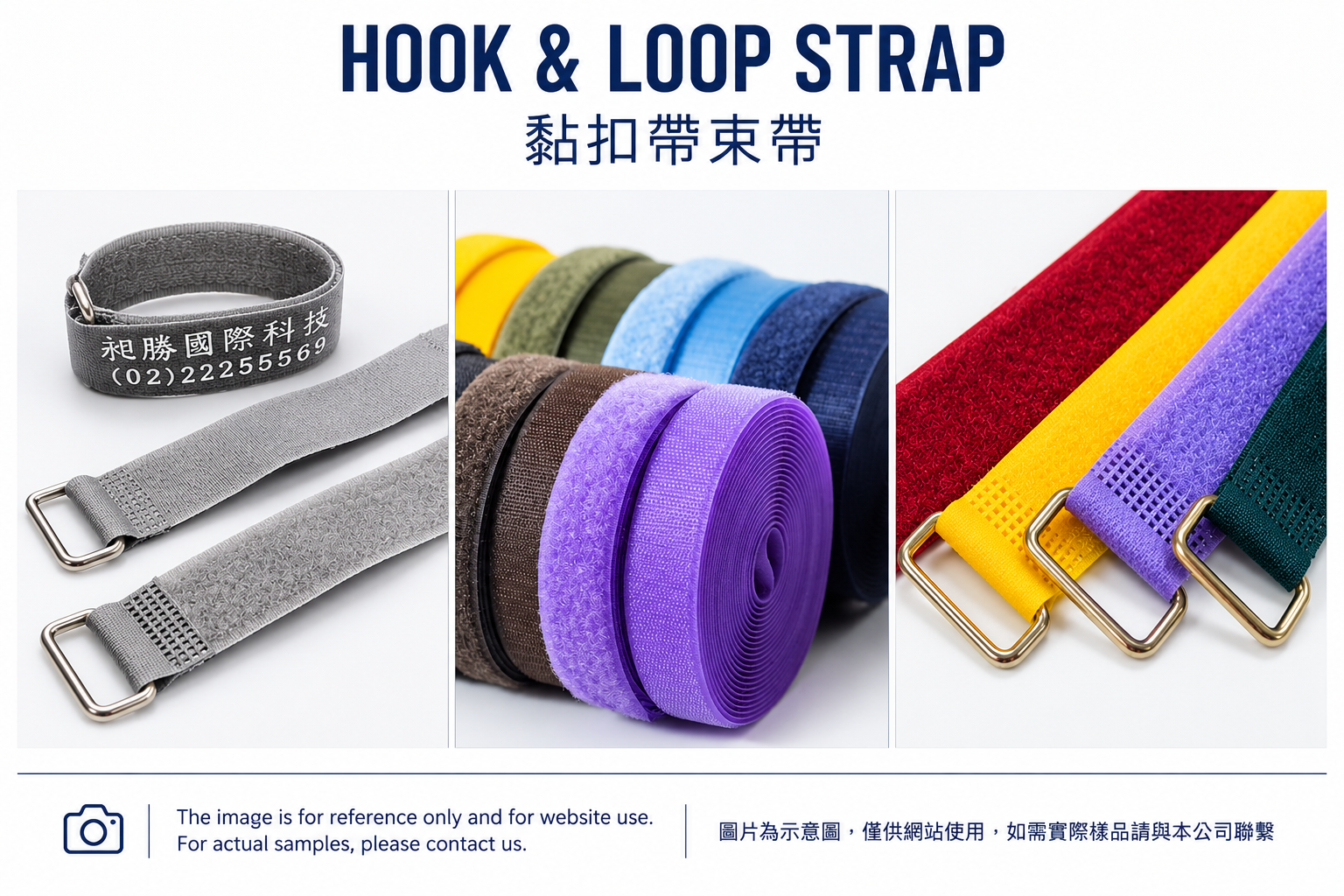
Product Name : Hook & Loop Strap
| Description |
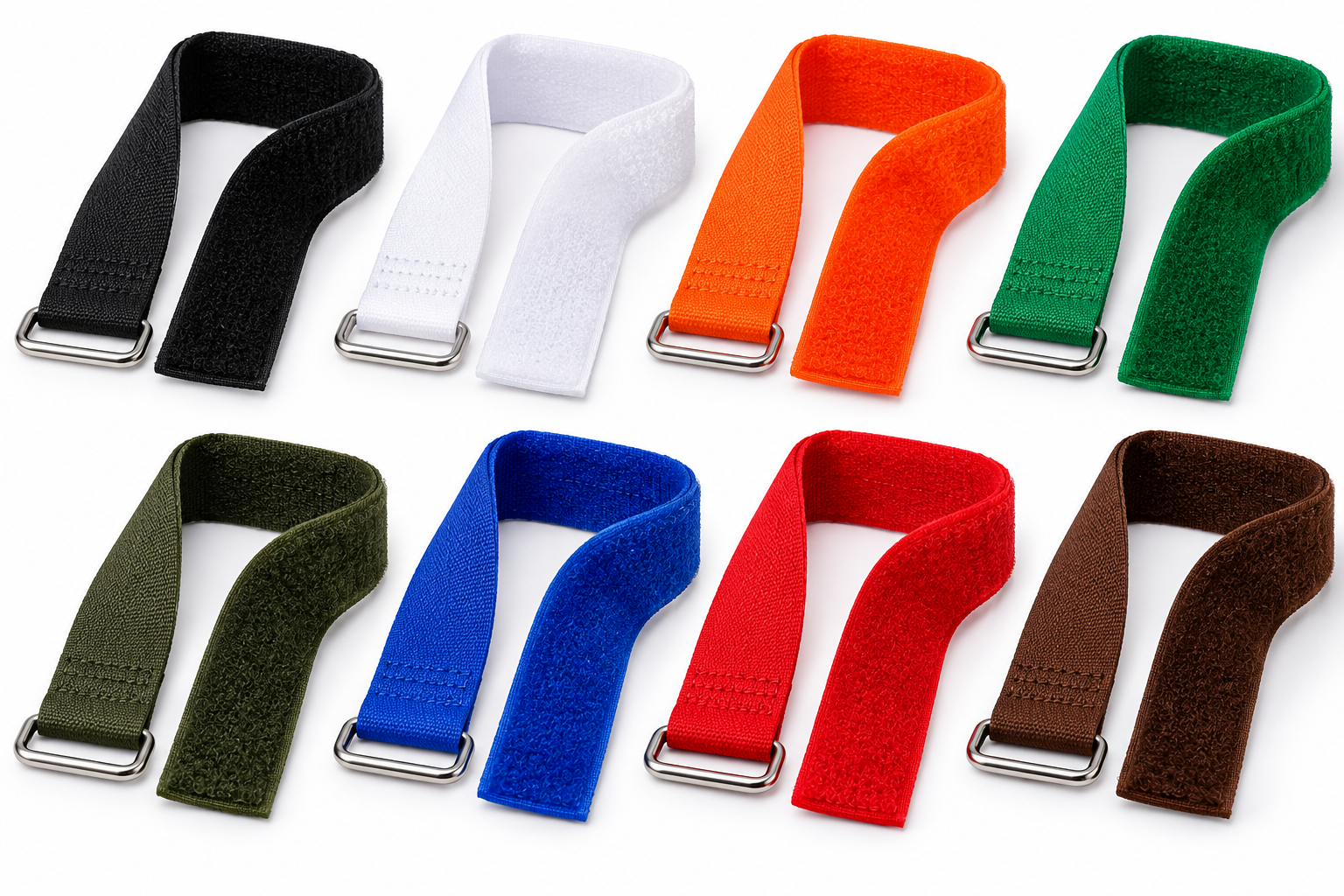
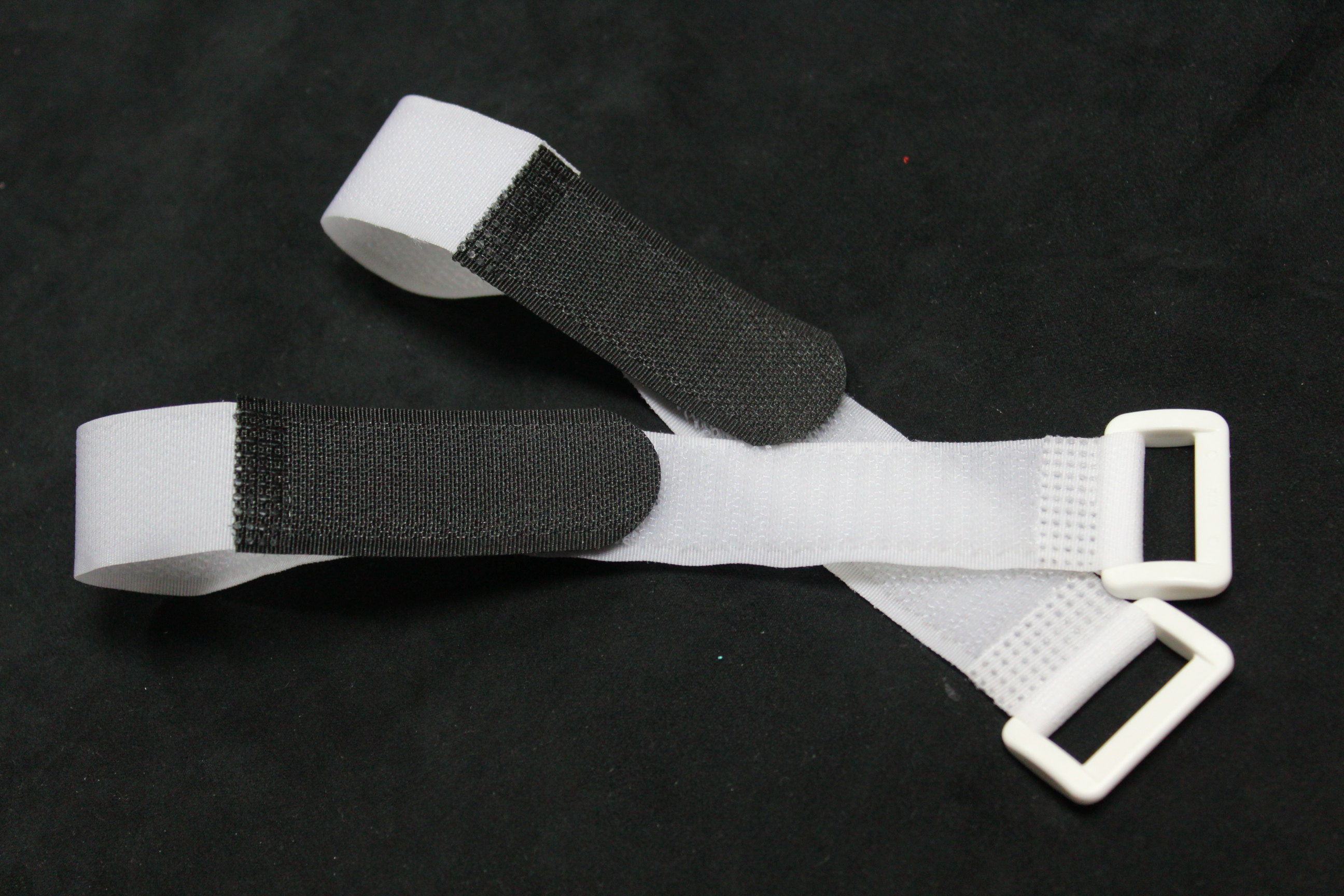
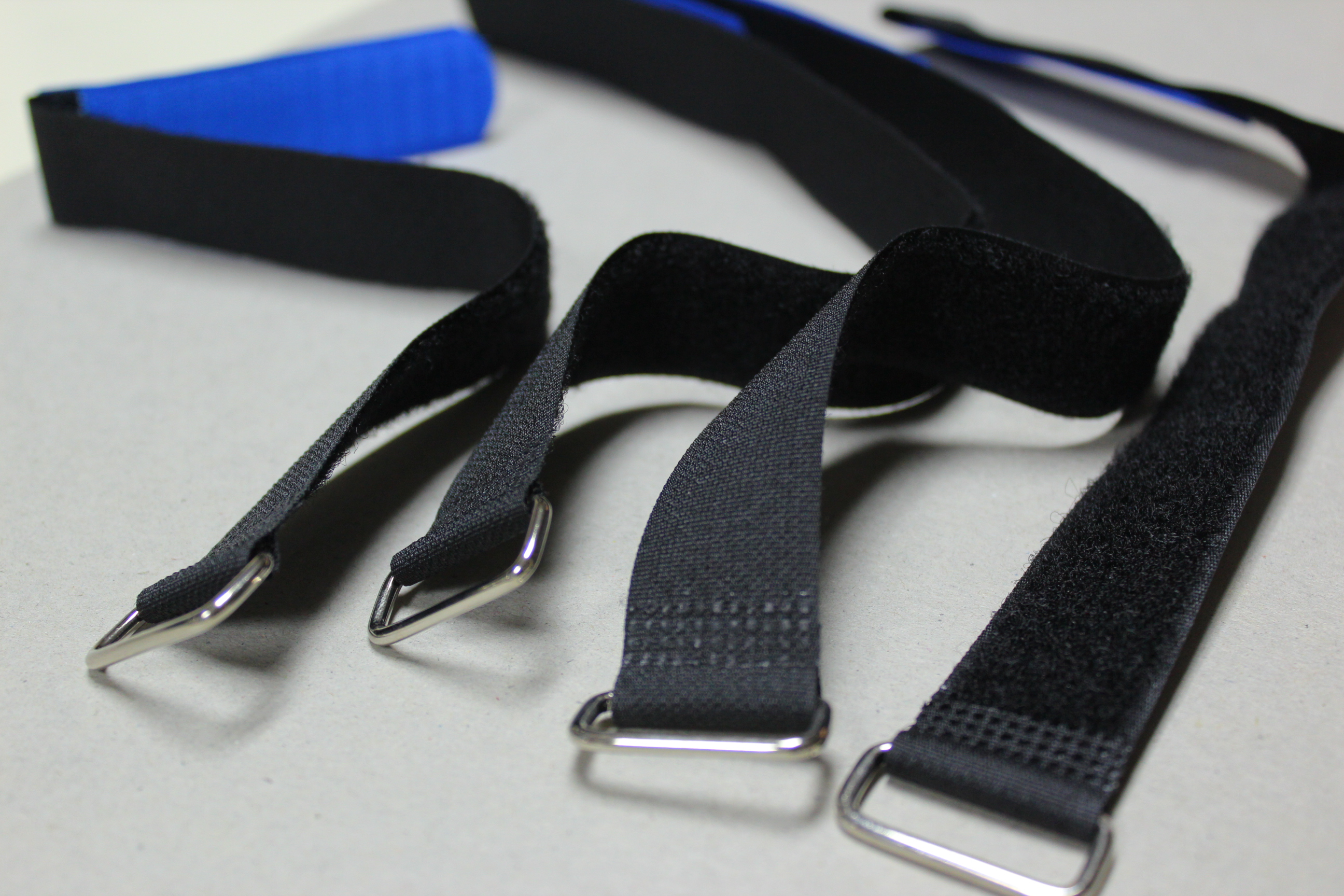
| A Hook & Loop Strap is a configurable finished fastening strap that combines Hook and Loop sections with other materials or hardware according to the required fastening method. Unlike a Hook & Loop Cable Tie, which is primarily based on a back-to-back self-engaging construction, a Hook & Loop Strap can use separately positioned Hook and Loop sections arranged in the same direction, opposite directions, or in a fold-back configuration through a buckle. Plastic or metal buckles, D-rings, webbing, elastic, and other components can also be integrated into the finished design. The performance of a Hook & Loop Strap depends on the complete strap construction rather than the Hook and Loop material alone. Hook / Loop placement, effective engagement area, strap body material, buckle configuration, joining method, and adjustment range all influence how the finished strap functions. Depending on the application, the strap may be developed as a Cinch / Buckle Strap, Back Strap, Face Strap, Double Face Strap, or another custom configuration using sewing, ultrasonic welding, or other suitable joining processes. Hook & Loop Straps are suitable where adjustable fastening, repeated opening, fold-back tensioning, wider adjustment ranges, or integrated hardware and reinforcement are required. Fu Jyi Lin can support custom strap development through Hook / Loop selection, dimensional planning, buckle and material integration, sewing or welding, cutting, printing, and other finished conversion processes. |
 Features
 |
||
Hook & Loop Strap |
Hook & Loop Strap |
Hook & Loop Strap |
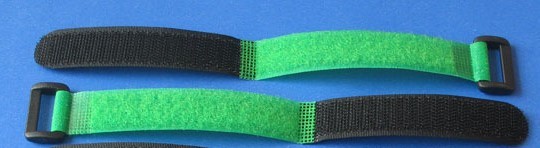
Hook & Loop Strap |
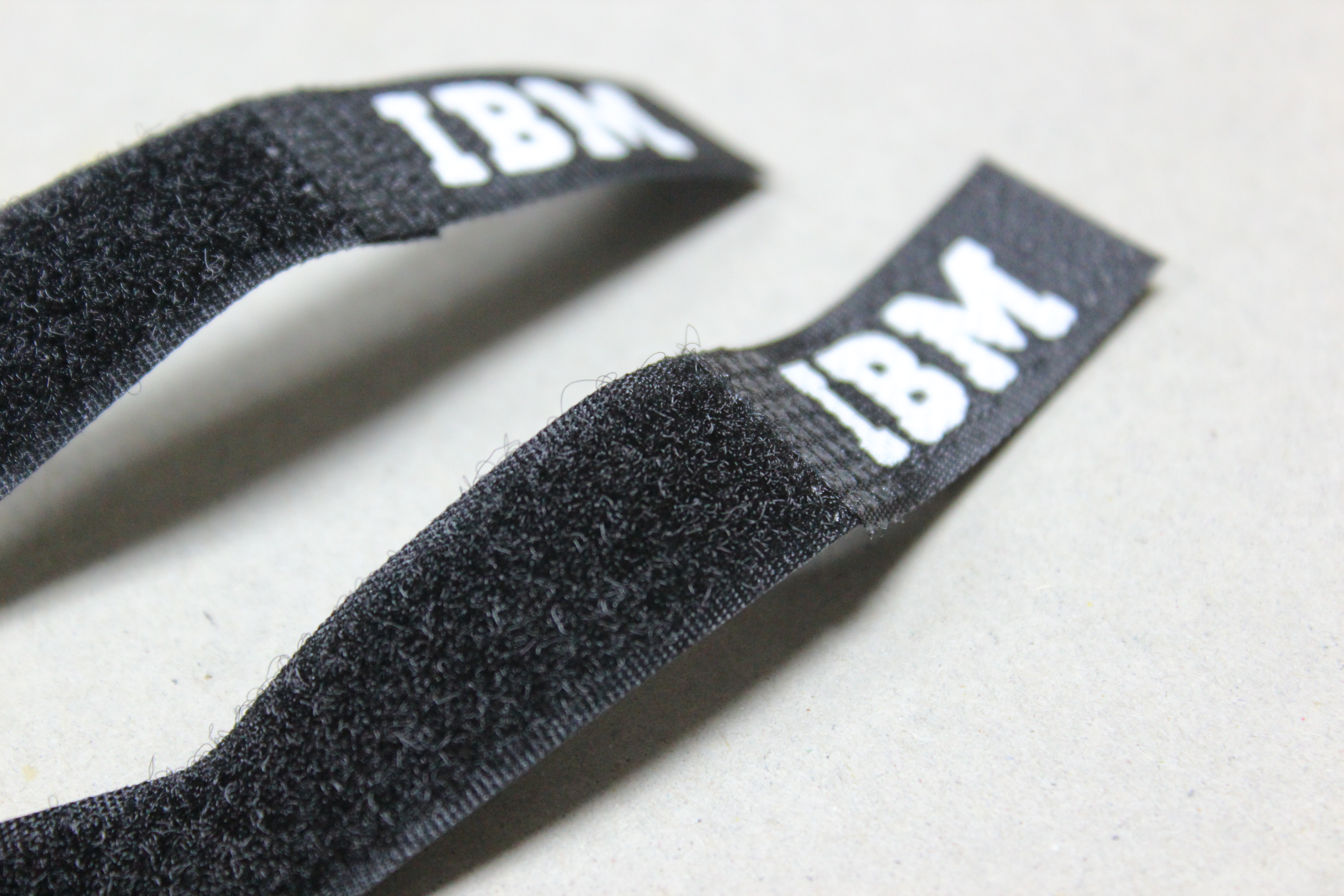
Hook & Loop Strap |
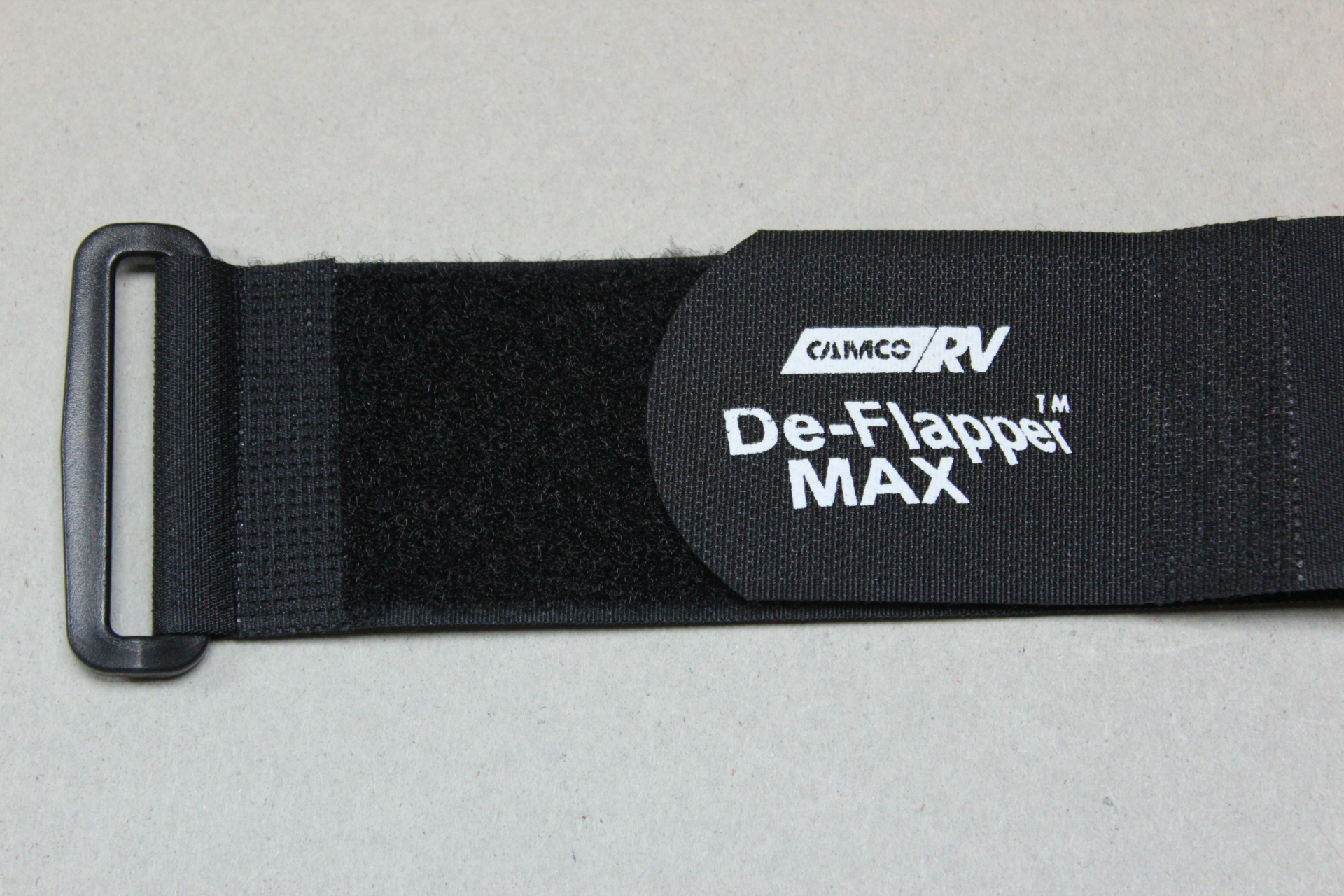
Hook & Loop Strap |
|
Specification |
|
**1. Product Name** "Hook & Loop Strap", a configurable finished strap combining Hook and Loop fastening surfaces with joining methods, buckles, webbing, or other materials according to the required product construction. **Strap Construction / Style** | Available constructions may include **Cinch / Buckle Straps, Back Straps, Face Straps, Double Face Straps**, or other custom strap designs. Strap style determines the Hook / Loop orientation, fold-back method, adjustment range, and finished fastening configuration. These are established constructions within the custom Hook & Loop strap market. **Hook / Loop Configuration** | Hook and Loop sections can be arranged in the **same direction, opposite directions, segmented positions, or in a fold-back configuration through a buckle**. Hook and Loop lengths, positions, and effective engagement areas should be determined according to finished strap length, bundle dimensions, adjustment range, and fastening method. **Material / Strap Construction** | Common Hook / Loop materials include **Nylon / Polyamide, Polyester**, and other suitable materials. Finished strap constructions may also integrate **webbing, elastic, fabric**, or other reinforcing components. Material selection should consider flexibility, thickness, fastening method, joining process, and finished-product requirements. **Common Widths / Custom Widths** | **Common widths: 16 / 20 / 25 / 30 / 38 / 50 mm. Custom width range: approximately 12.5–100 mm.** Final width availability depends on Hook / Loop material, strap construction, buckle dimensions, joining method, and secondary processing. The 12.5–100 mm range represents a market reference for custom strap manufacturing and remains subject to actual material and production conditions. **Finished Length / Adjustment Range** | Finished length is primarily **customized according to the application**. Bundle circumference, buckle fold-back length, Hook section, effective Loop engagement area, and required adjustment range should all be considered. Buckle-style straps require additional length for threading, fold-back, and effective engagement. Custom lengths are widely used for this product category. **Buckles / Hardware** | Depending on the strap design, available hardware may include **plastic buckles, metal buckles, D-rings, grommets**, or other suitable components. Hardware dimensions and materials should be matched to strap width, fold-back configuration, joining position, and finished-product requirements. **Joining / Secondary Processing** | Depending on material and construction, available processing may include **sewing, ultrasonic welding, heat bonding or welding, cutting, die-cutting, logo or text printing, grommeting, buckle attachment, and other secondary conversion**. The suitability of each process should be confirmed according to the selected materials and approved construction. **Colors / Supply Format / Packing / MOQ** | Black, white, standard colors, and custom colors can be evaluated according to the selected Hook / Loop, webbing, or other strap materials. Supply is primarily in **custom finished strap form**, with bulk, individual, assembled, or specified packing available according to project requirements. MOQ depends on material, width, length, hardware, color, printing, joining method, secondary processing, and packing. **Closure Performance / Joint Integrity / Finished-Strap Verification** | Hook / Loop closure, sewn or welded joints, buckle retention, and the complete strap construction should be evaluated as separate performance elements. Where defined peel, shear, cycling, joint-strength, or finished-strap requirements apply, verification should be based on the **actual finished product, approved sample, and mutually agreed test methods and acceptance criteria**. **Specification Notes** A Hook & Loop Strap is a finished fastening assembly, not merely a length of Hook and Loop tape. Depending on the design, the strap may integrate buckles, webbing, elastic, fabric, or other components. Hook / Loop orientation, joint location, hardware configuration, and body material can all affect adjustment range, flexibility, thickness, closure feel, and finished-product behavior. The 16 / 20 / 25 / 30 / 38 / 50 mm widths listed above represent common Hook & Loop Strap sizes, while approximately 12.5–100 mm reflects a broader market range for customized strap production. Final manufacturability depends on Hook / Loop material, buckle dimensions, reinforcement structure, joining method, and secondary processing; the market range should therefore not be interpreted as a universal fixed specification for every construction. Mass production should be based on the approved sample, confirmed materials, Hook / Loop configuration, finished width and length, buckle or hardware selection, joining method, printing requirements, secondary processing, performance requirements, packing specifications, and other mutually agreed production conditions. Fu Jyi Lin reserves the right to adjust product specifications according to product improvements, process optimization, or customer requirements without prior notice. |
|
Asks Description |
|
Frequently Asked Questions 1. Can Hook & Loop Straps be developed for higher securing or load requirements? Yes. Strap constructions can be developed around higher securing or defined load requirements, but performance should not be judged from the Hook & Loop material alone. Strap width, engagement length, Hook / Loop construction, reinforcement, joining method, buckle, and hardware configuration all affect the finished product. Where defined load requirements apply, the complete strap should be sampled and tested under the intended loading conditions. 2. Can Hook & Loop Straps be developed for safety-related applications? Yes, they can be developed according to defined safety-related requirements, but suitability should not be assumed simply because stronger Hook & Loop, thicker webbing, or metal hardware is used. For applications involving personal safety, medical restraint, PPE, automotive safety, or regulated performance, the applicable standard, required performance, service conditions, and safety factor should be confirmed. Internal testing or third-party laboratory testing may be required. 3. Why is Hook & Loop closure strength alone not enough to evaluate the finished strap? A Hook & Loop Strap functions as a complete load path. Force may pass through the Hook / Loop engagement area, sewn or welded joint, webbing body, buckle, hardware, and fold-back section. Any of these points may become the limiting element. Peel, shear, or individual material strength therefore represents only part of the finished strap performance. 4. Why is sampling and testing recommended for a custom Hook & Loop Strap? Changes in width, length, Hook / Loop placement, hardware, body material, joining method, or engagement area can alter how the finished strap behaves. A complete sample should therefore be evaluated using the actual bundled item, load direction, adjustment method, and service environment. If defined performance values are required, internal or third-party testing should be completed before mass production. 5. What performance should be verified for a finished Hook & Loop Strap? Test requirements should be selected according to the actual application and potential failure modes rather than applying the same test package to every strap. Evaluation may include Hook / Loop peel, shear, cycling performance, sewn or welded joint strength, buckle retention, finished-strap tensile or holding behavior, abrasion, and environmental durability. Defined specifications should be verified using approved samples and agreed test methods. |
 |
Fu Jyi Lin Enterprise Co., Ltd. Copyright © 2014 |
| Address: 10071 No.17-1, SHAU ANN St., Zhongzheng Dist., Taipei City 100, Taiwan (R.O.C.)
TEL:886-2-2301-5900 , 886-2-2307-0952 FAX:886-2-2307-5424 , 886-2-2332-6930 E-Mail:info@fujyilin.com.tw |