


 | ||
|
| ||
News |


|
| MOQ, Lead Time & Production Process for Custom Silicone Anti-slip Elastic: A Buyer's Planning Guide | |
2026-07-07 17:43:26 | |
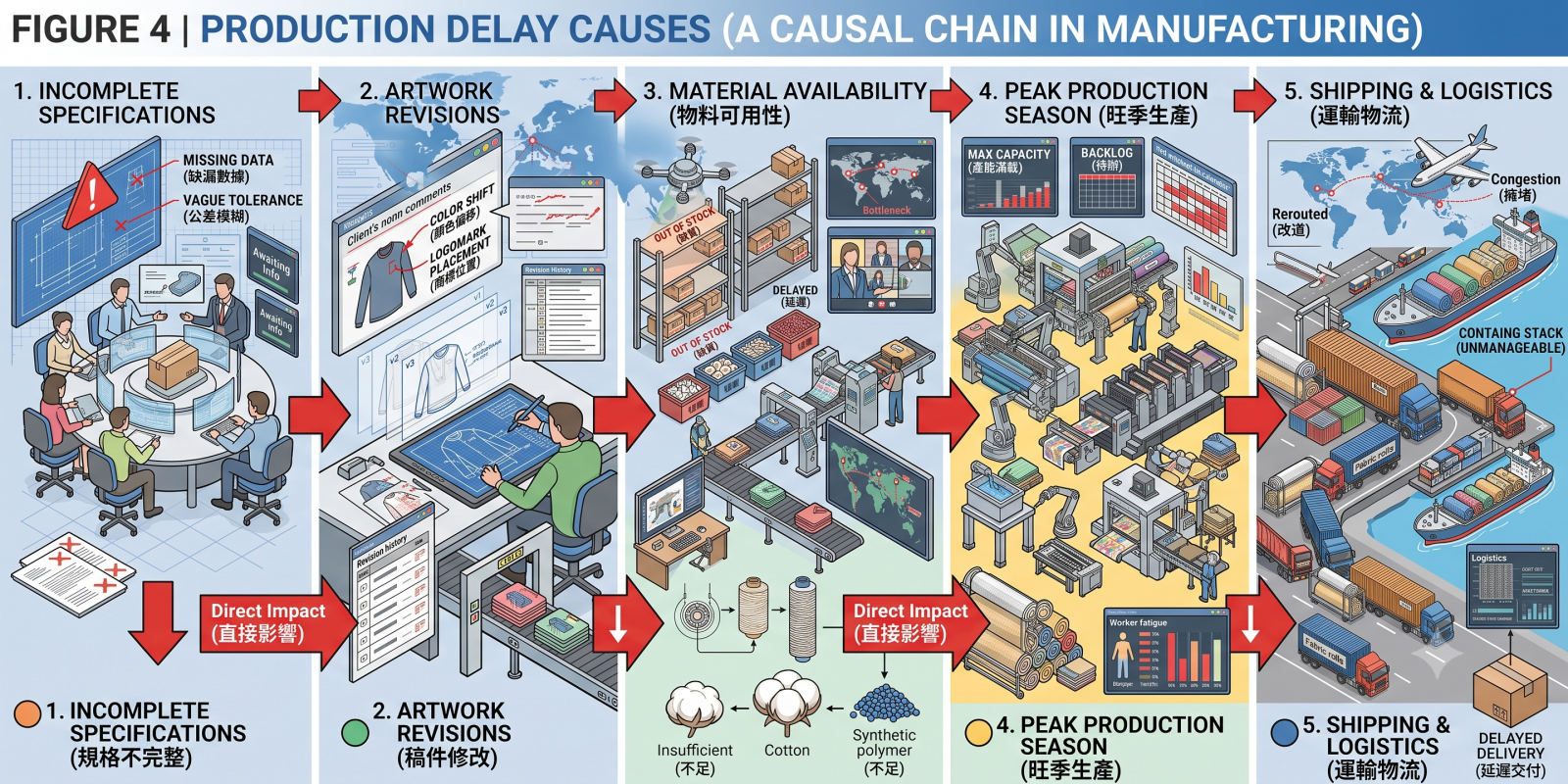
Plan Better, Source SmarterAfter selecting the right silicone anti-slip elastic design, the next challenge for most procurement teams is turning an idea into a successful production project. Beyond product performance and pricing, buyers must also consider minimum order quantities (MOQ), sampling schedules, production lead times, and potential delivery risks. Many sourcing delays are not caused by manufacturing problems but by incomplete specifications, repeated design revisions, or unrealistic production expectations. Understanding the complete OEM process allows buyers to plan more effectively, reduce project risks, and improve communication with suppliers. Whether you are sourcing for sportswear, underwear, shapewear, cycling apparel, medical garments, or workwear, early planning helps ensure smoother production and more reliable delivery.
Continue your sourcing journey:
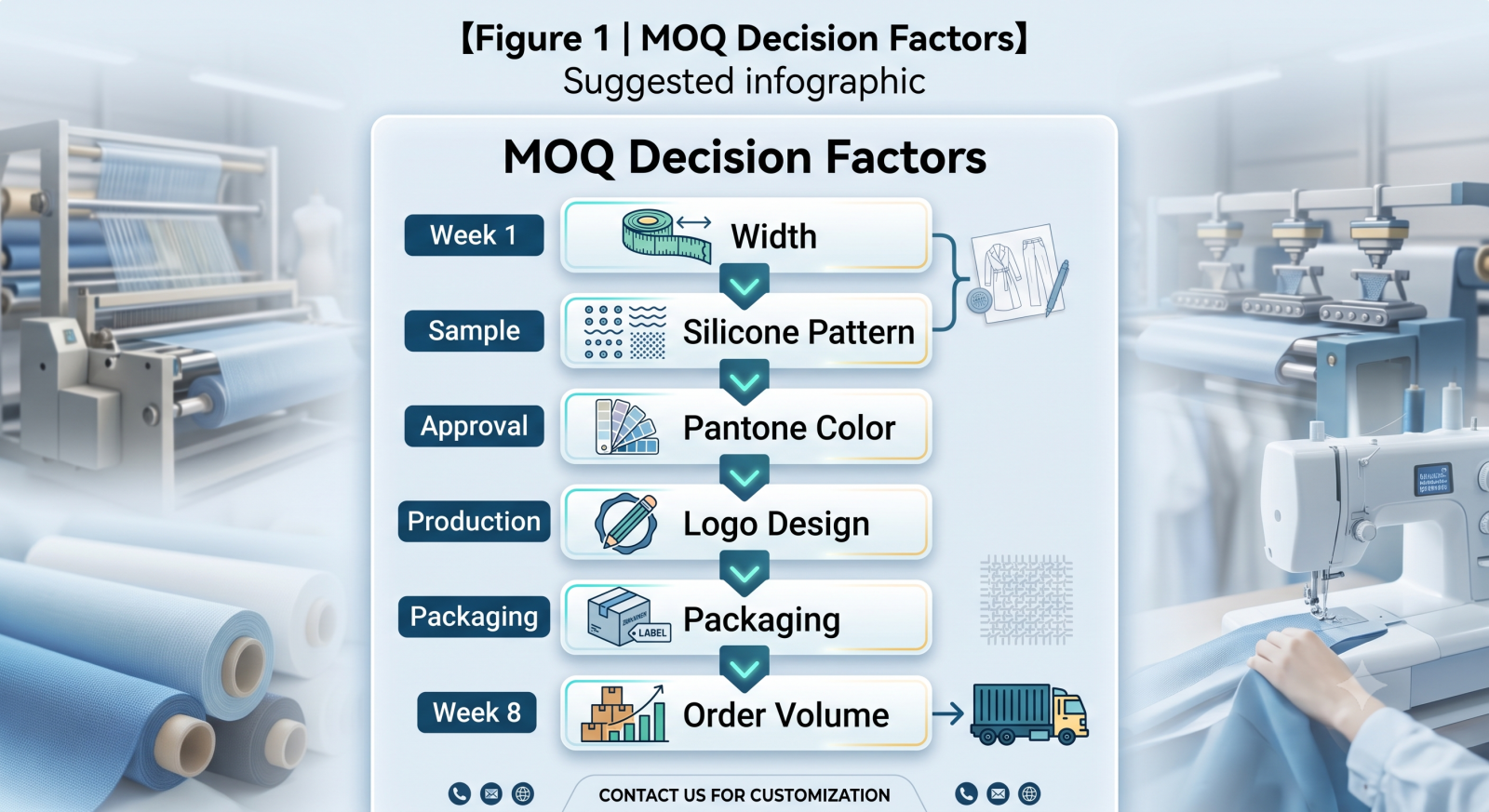
Article 1 – What Is Silicone Anti-slip Elastic Band? Article 2 – How Silicone Anti-slip Elastic Improves Garment Performance Article 3 – Silicone Printing vs. Woven Grip Elastic Article 4 – How to Choose the Right Silicone Printing Pattern Article 5 – Custom Silicone Anti-slip Elastic: OEM Guide & RFQ Preparation Understanding MOQ and Production PlanningMOQ is often one of the first questions buyers ask, but it is only one part of production planning. Minimum order quantities are influenced by material preparation, silicone printing setup, production efficiency, and packaging requirements. Custom colors, logo designs, or special packaging may also affect the final MOQ.
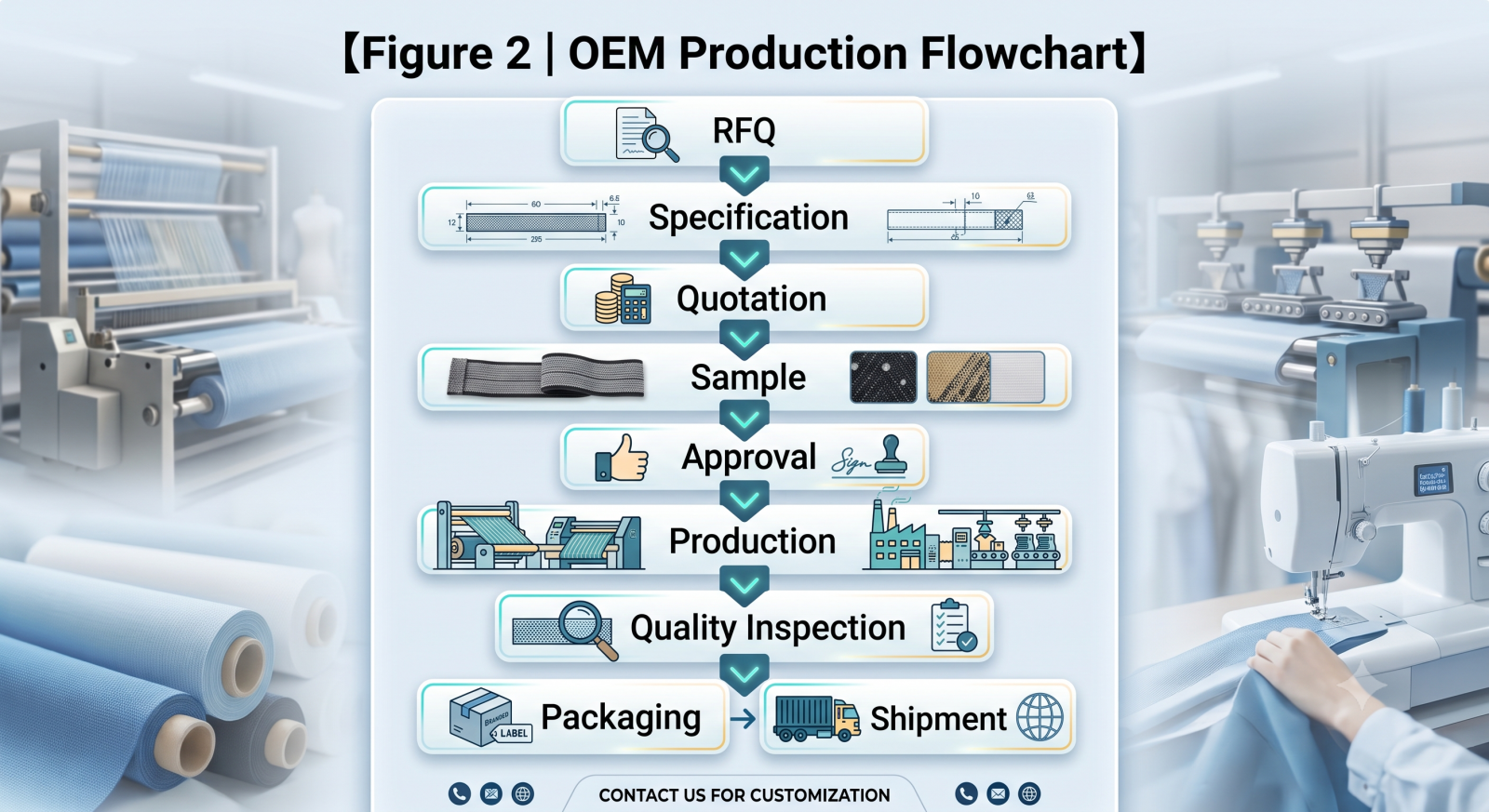
Instead of focusing only on the lowest possible quantity, experienced buyers evaluate the total project. Sharing estimated annual demand or future purchasing plans often helps suppliers recommend more efficient production options and competitive pricing. OEM Production Process
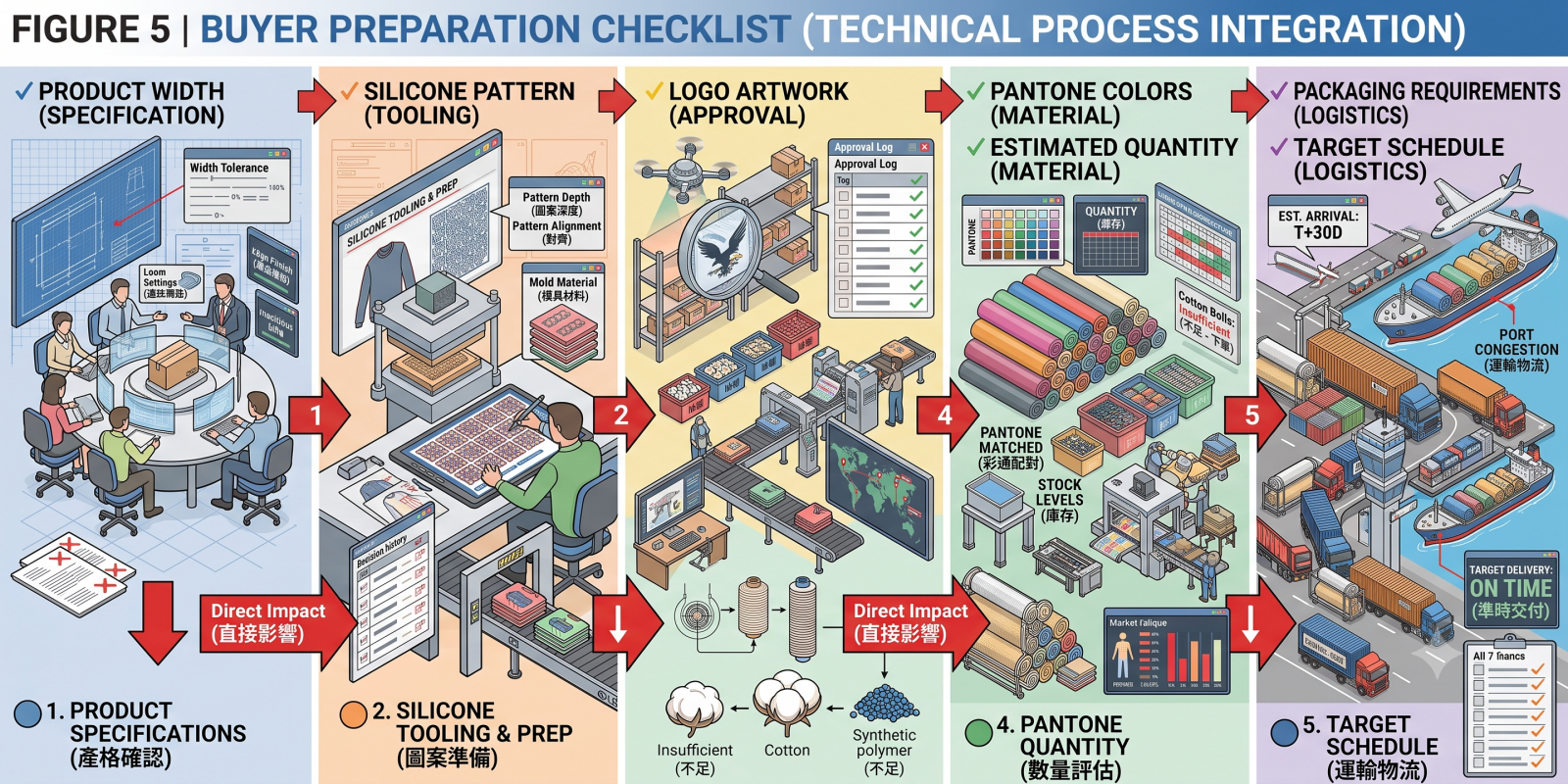
A successful OEM project follows a structured process. Each stage helps reduce production risks and ensures that both buyer and manufacturer have the same expectations before mass production begins. Typical Lead Time
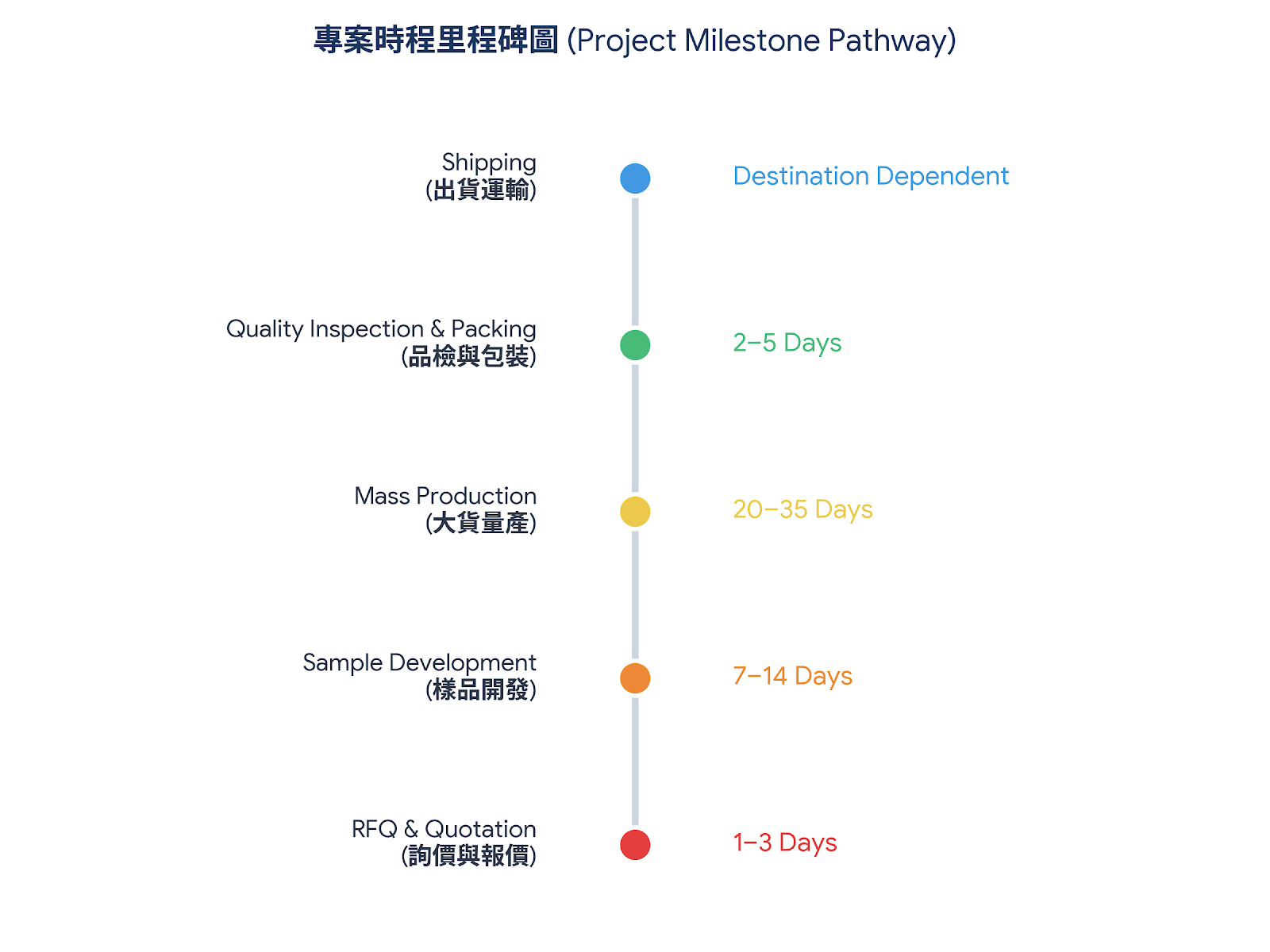
Production schedules vary depending on product complexity, order quantity, and material availability. Planning sufficient time for sampling and approval is often more important than attempting to shorten manufacturing itself. During peak apparel seasons or when multiple custom options are requested, additional lead time may be required. Early communication with suppliers helps establish realistic production schedules and reduces unexpected delays. Common Reasons for Production DelaysEven experienced sourcing teams occasionally encounter delays. Most issues can be avoided through better project planning and clear communication. |
 |
Fu Jyi Lin Enterprise Co., Ltd. Copyright © 2014 |
| Address: 10071 No.17-1, SHAU ANN St., Zhongzheng Dist., Taipei City 100, Taiwan (R.O.C.)
TEL:886-2-2301-5900 , 886-2-2307-0952 FAX:886-2-2307-5424 , 886-2-2332-6930 E-Mail:info@fujyilin.com.tw |